In an essay in The 74, Danny Corwin and Jennifer Dewees ask: If the economy urgently needs more skilled trades workers, why aren’t we making a greater investment in our public high schools to help prepare students for these in-demand, well-paying careers?
Danny Corwin is executive director of Harbor Freight Tools for Schools, which aims to increase understanding, support and investment in skilled trades education in U.S. public high schools. Jennifer Dewees is president of the Maryland Center for Construction Education and Innovation.
Unfortunately, the role high schools once played in preparing students for careers has diminished greatly. Traditional shop classes in auto repair, electrical, construction and other hands-on fields have disappeared from many public high schools over the past several decades. Too many high students still don’t have meaningful exposure to career pathways in the skilled trades.
The AI era only makes modern skilled trades education more urgent. High school should prepare students not only for college admission but also for careers with stability and purpose.
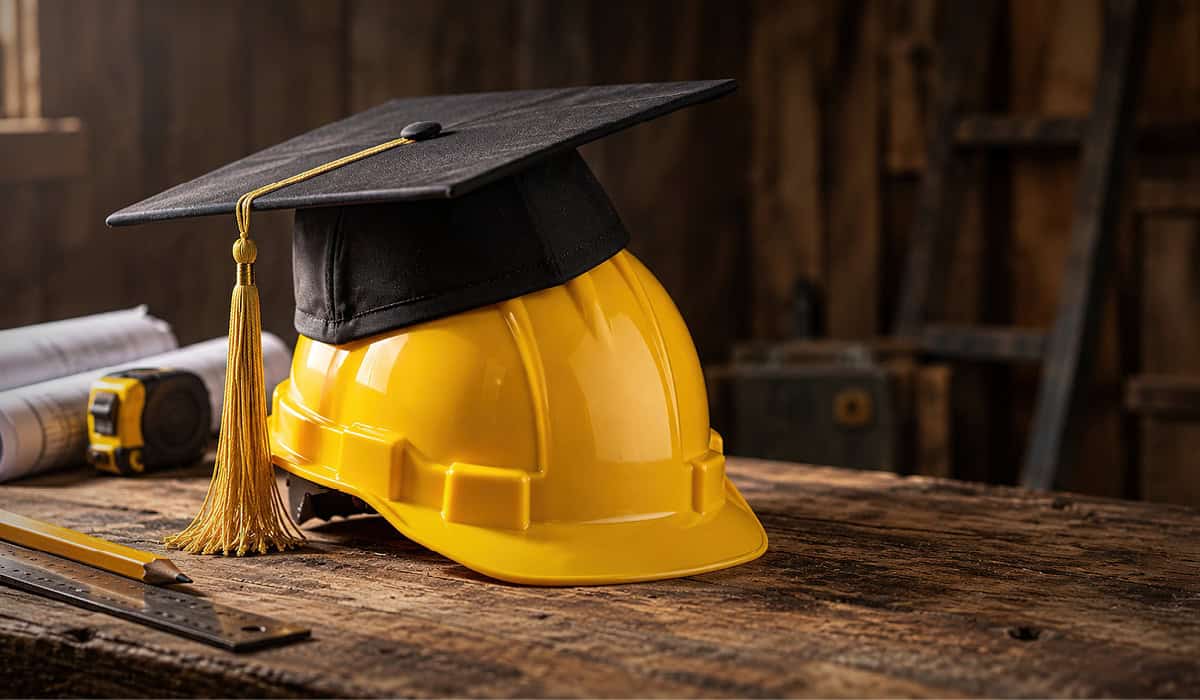
All high school students should have the opportunity to explore a skilled trade. Some will discover a lifelong career. Many will gain practical skills and confidence. And others will go on to college with a clearer sense of purpose.
High school students who have taken skilled trades classes report stronger connections to school and greater confidence about their future, even if they don’t enter the trades, according to a NORC survey. Those students felt more confident collaborating and problem-solving than their peers.
With students, parents and voters all wanting stronger pathways into the skilled trades, according to the NORC survey, public policy should reflect that consensus.
That requires real investment in modern school facilities, up-to-date equipment, trained instructors, career counseling and schedules that allow students to take skilled trades classes that are aligned with core academics. It also requires expanding partnerships with employers and community organizations to provide apprenticeships and opportunities for students to earn industry credentials, accelerating their entry into the workforce upon graduation.
Strengthening and expanding skilled trades pathways in public high schools is one of the most forward-looking steps we can take in an economy being reshaped by artificial intelligence, infrastructure needs, and uncertainty about the future of work.
The 74