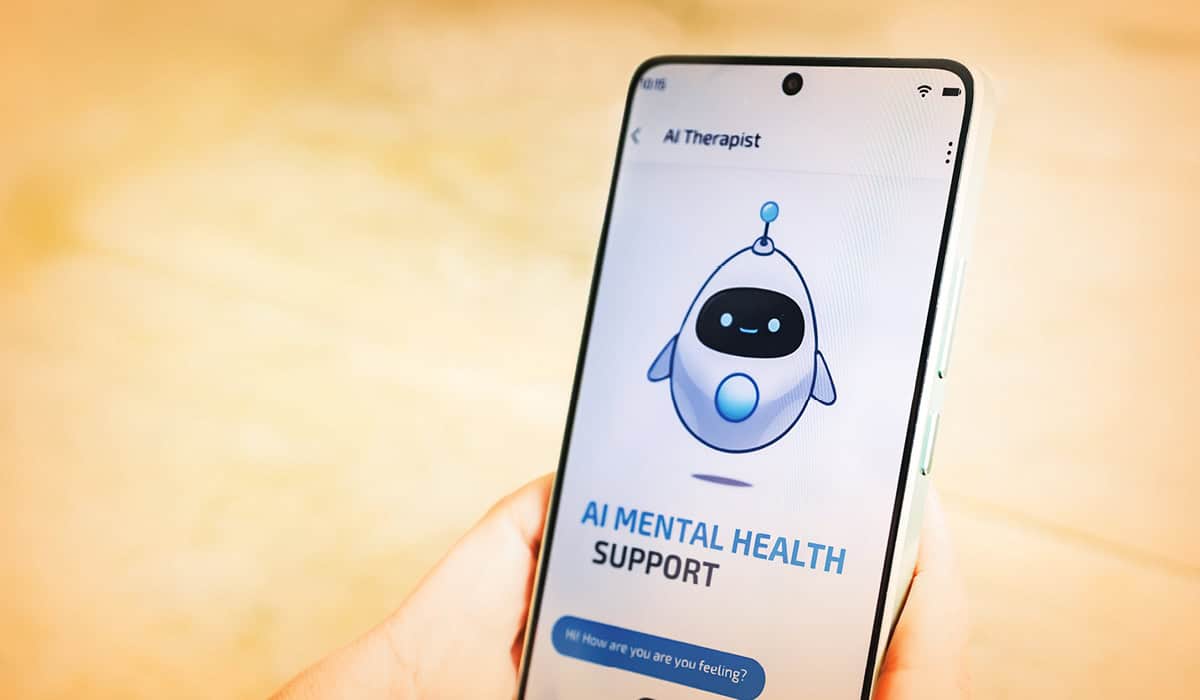
New York City’s recently announced artificial intelligence moratorium for the nation’s largest public school system could have national implications, reports K-12 Dive.
The facts:
- The one-year moratorium prohibits student-facing AI tools for New York City Public Schools students in 2-K; a preschool program for 2-year-olds, and up through 8th grade during the 2026-27 school year.
- The temporary AI ban will reach 600,000 students — two-thirds of NYC’s public school enrollment.
- The system will set restricted 1:1 screen time policies for students in 2nd grade and lower.
- Screen limits will extend to students in 3rd through 5th grade with recommended caps of 30 minutes per day, as well as 45-minute daily caps for students in grades 6-8.
- City officials said that all technology tools “will undergo an exhaustive review and will be barred if their functionality is determined not to be mission-critical to learning.”
- This review will consider vendor accountability for safety and transparency standards, ethics, results for instructional impact and prior research, and ongoing user feedback.
- Teachers will still be permitted to use AI for instructional planning and operational tasks if the tools comply with the school system’s safety standards.
- Students with disabilities who use assistive technology, multilingual learners and students participating in career readiness programs, such as computer science, will be exempt from the policy.
“The tech industry wants us to believe that A.I.-powered early education is not only inevitable, but necessary. We do not see it that way,” said NYC Mayor Zohran Mamdani in a statement.
Some ed tech advocates are concerned that the AI pause in NYC (and also in Los Angeles) will have negative implications on other districts nationwide.
The largest U.S. school systems like NYC and Los Angeles Unified School District have been a “beacon” in innovation for other districts, says Jean-Claude Brizard, CEO and president of Digital Promise. As both school systems implement student screen time limits and pause AI use in classrooms, he says banning AI tools is not the solution.
“I don’t know how you ban AI in tools because it’s like asking someone to remove added sugar in your food,” Brizard says. “It is everywhere. It is pervasive.”
Erin Mote, CEO and founder of InnovateEDU, does not support broad, minute-based restrictions for screen time and believes screen value is the key issue.
Mote says much of the concern around AI and ed tech in schools is driven by confusion between personal cellphone use, consumer tools and classroom technology – and growing fears and a lack of understanding around AI in the public.
As part of the moratorium, the school system is also piloting five AI programs at the high school level with vetted tools. NYC’s AI pilots will use evidence-based approaches drawing on localized data and explore if the tools tested will improve student outcomes.
This action is needed to distinguish screen value from screen time, Mote says. She hopes that the diverse group of stakeholders involved — students, parents, educators, experts — will produce valuable guidance for educators.
The moratorium doesn’t go far enough for advocates who initially called for a two-year AI ban in NYC Public Schools.
The AI Moratorium Coalition is concerned with exceptions to the AI pause and that the policy only applies to the current school year. The group calls the AI pilot program “dangerous” and criticized implementation in “an unknown number of high schools without clear product evaluations, learning objectives, or opt-in/opt-out structure — treating our students as guinea pigs and unpaid beta testers.”
Another concern: there is no clear guidance on the procurement process or spending on AI in NYC Public Schools, according to the group. One year is not enough time for a thorough review process to develop a long-term AI and ed tech policy, the group argues.
K-12 Dive