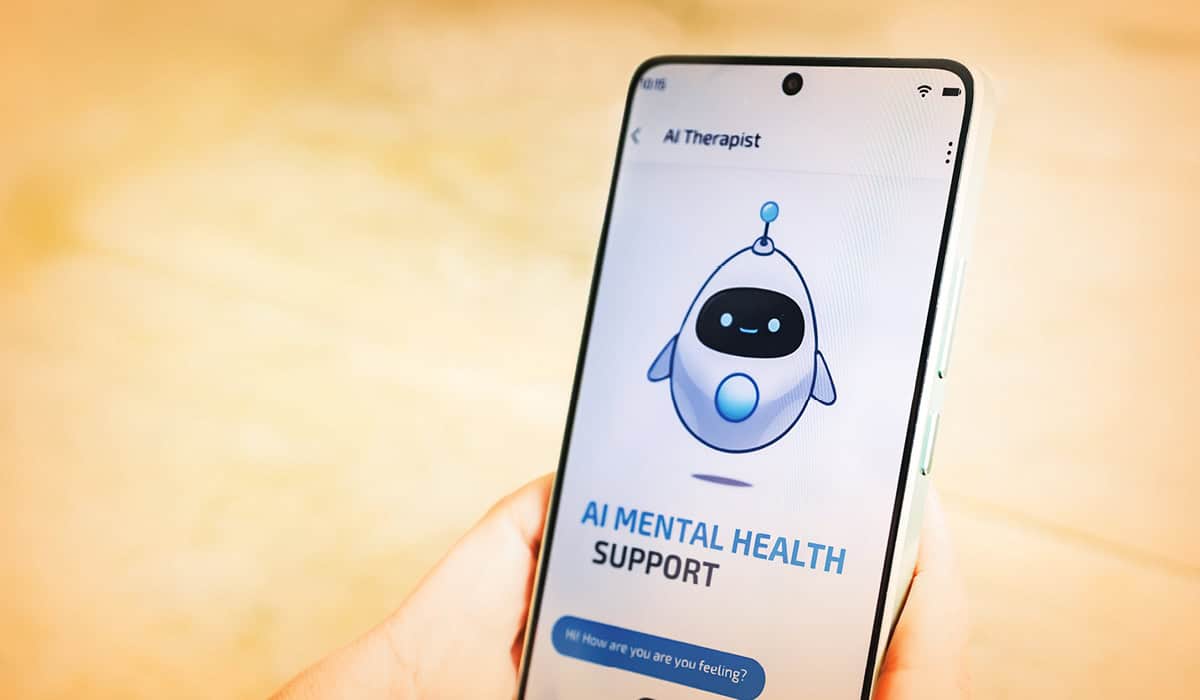
An algorithm may identify patterns, but it cannot understand the complete picture of a student’s life and learning experience, according to an article in EdTech.
It cannot fully account for family circumstances, social-emotional factors, classroom relationships, accessibility needs or the many experiences that influence learning. Applying context, empathy and professional expertise remain the educator’s responsibility.
A learning analytics platform can identify that a student’s assignment completion, class participation and assessment performance have declined over a few weeks. This AI information should prompt questions, not be treated as a conclusion. The system should not automatically label the student as “at risk.” Instead, it should alert the teacher, who can evaluate the information for accuracy, consider possible reasons for the change in behavior, apply relevant context and engage in a conversation with the student.
Christopher Hoang, director of educational technology and innovation for the Los Angeles County Office of Education, cautions, “If we don’t focus on understanding students and their needs, and instead keep focusing on data, we neglect the human aspect of education. AI-powered tools can enhance the teaching experience by focusing on the student experience.”
Districts must clearly communicate guidelines for AI implementation. Schools need professional learning that helps educators understand what AI systems do, their limitations and how to recognize potentially biased or misleading conclusions.
This learning can’t be limited to a one-off product demo. AI continues to change rapidly. Clear policies are essential, but schools must convert policies into practical classroom guidance for daily instruction and decision-making. This includes defining appropriate uses, establishing educator oversight, creating procedures for addressing concerns and communicating expectations to students and families.
“Humans should always determine the parameters under which the tools will be used and the outcomes they hope to achieve with their use,” says Nneka McGee, founder and strategic adviser for Muon Global. “Human-led evaluation is necessary to determine if goals are met with AI-powered tools. There are programs such as outcomes-based contracting that support these types of initiatives.”
When implemented thoughtfully, AI analytics can help identify students who need assistance, enable earlier intervention and reduce administrative burdens. But the value of these tools ultimately depends on whether they strengthen human connections.
“The fact is, AI, like any tool, is only as good as the user,” says Hoang. “AI won’t replace great teaching; it will empower those who are great teachers to be even greater teachers.”
The goal is for AI to help educators notice what matters sooner, ask better questions and make informed decisions to support student success. AI is not a substitute for human judgment. It can amplify the expertise, compassion and relationships that remain at the heart of great teaching.
EdTech